Our Categories

What is Aluminum foil chocolate
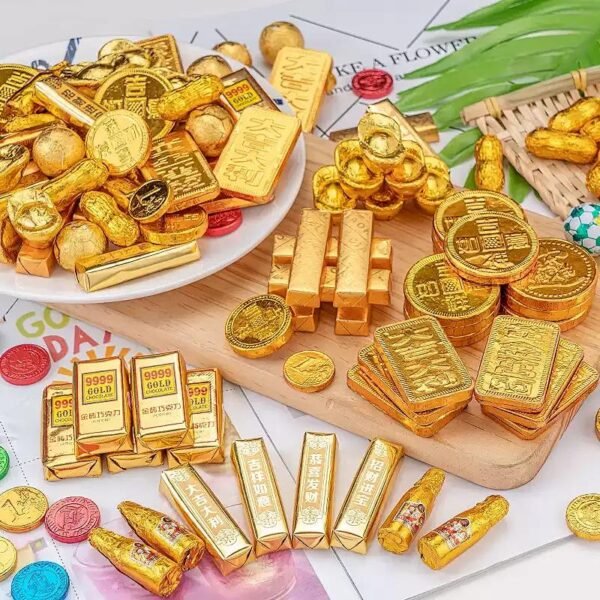
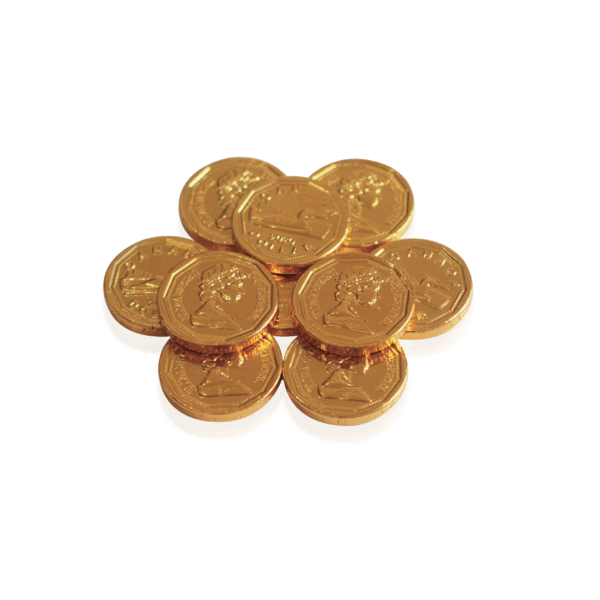
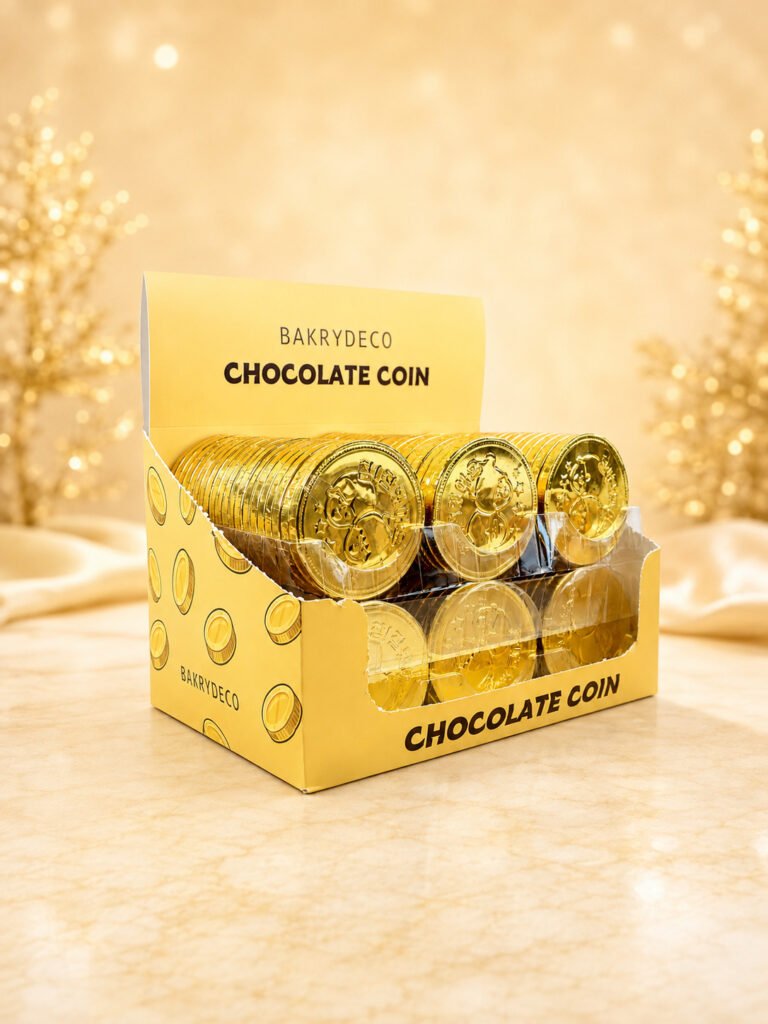
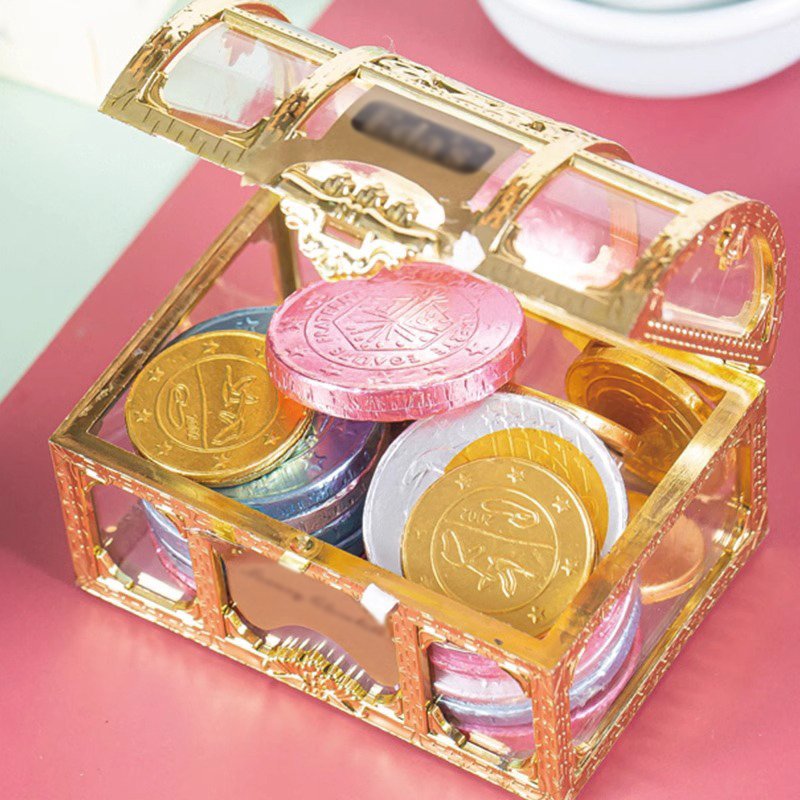
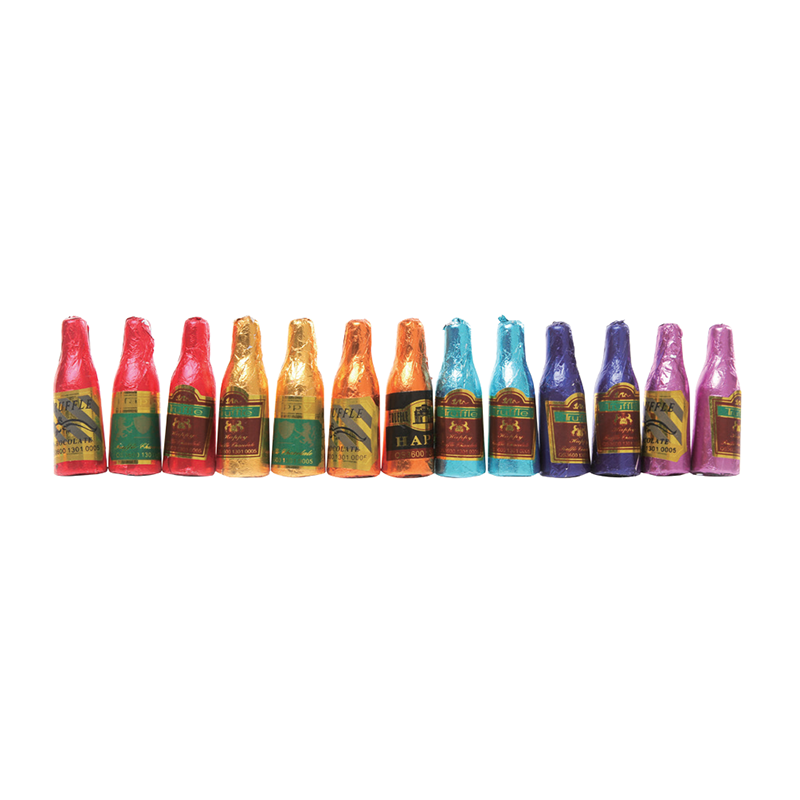
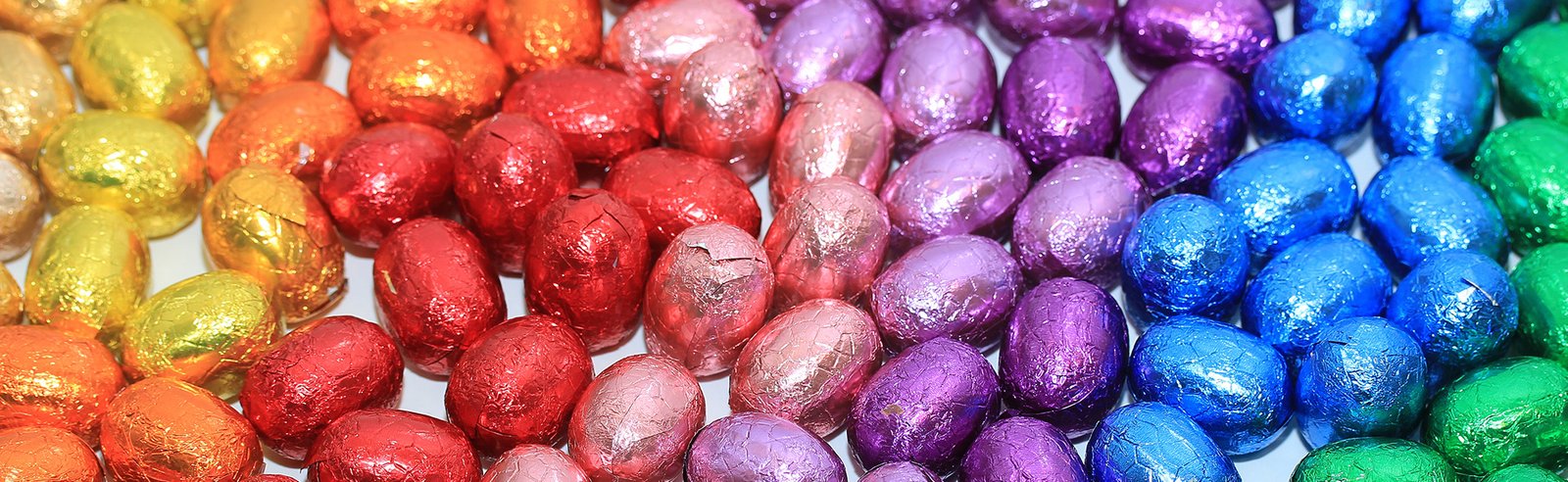
Aluminum foil-wrapped chocolates refer to chocolate products individually wrapped in aluminum foil, such as chocolate coins and chocolate eggs. This packaging method not only enhances the visual appeal of the chocolates but also provides protection, helping to preserve their freshness and flavor.
Aluminum foil-wrapped chocolates are a highly popular product, enjoying strong consumer demand. They represent an excellent business opportunity for both retail and wholesale operations in the confectionery and baking industries.
We supply:
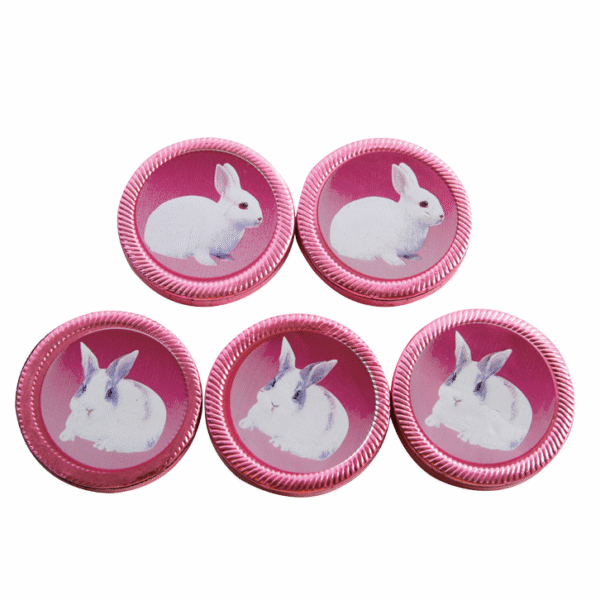
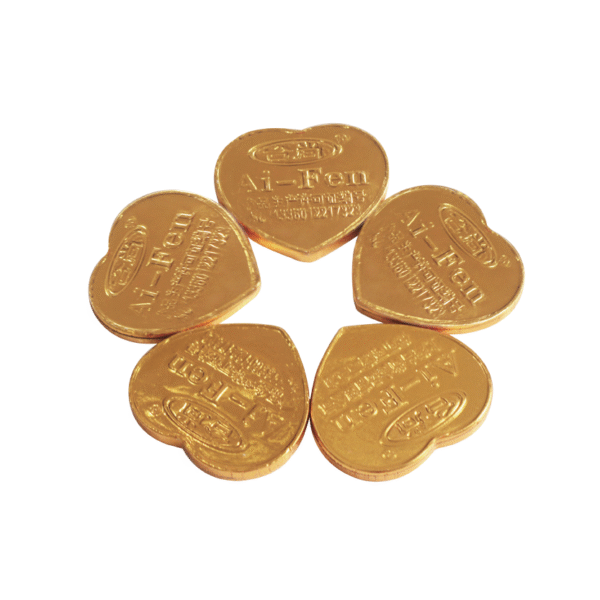
chocolate coin
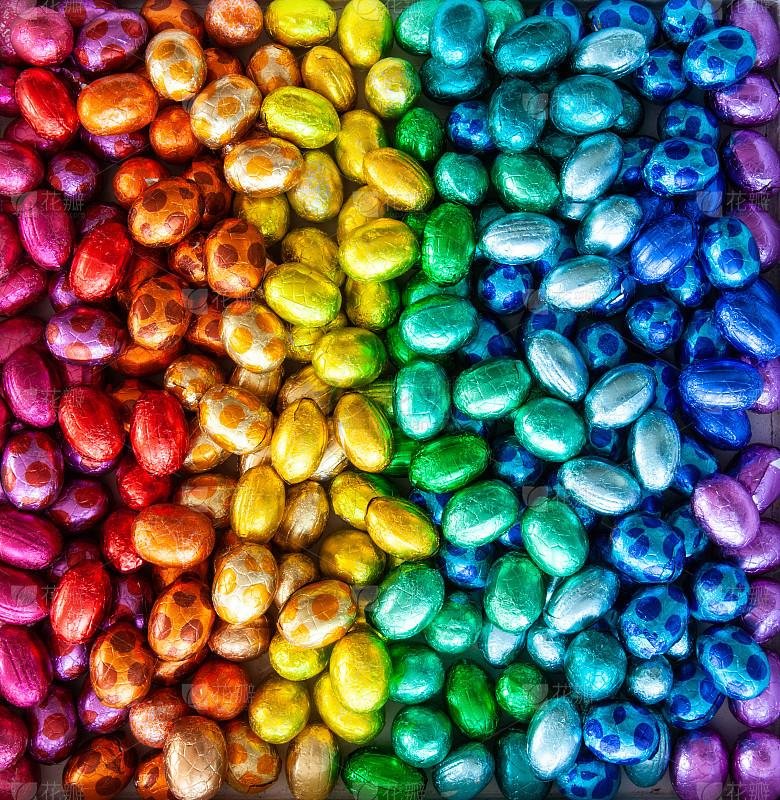
chocolate egg
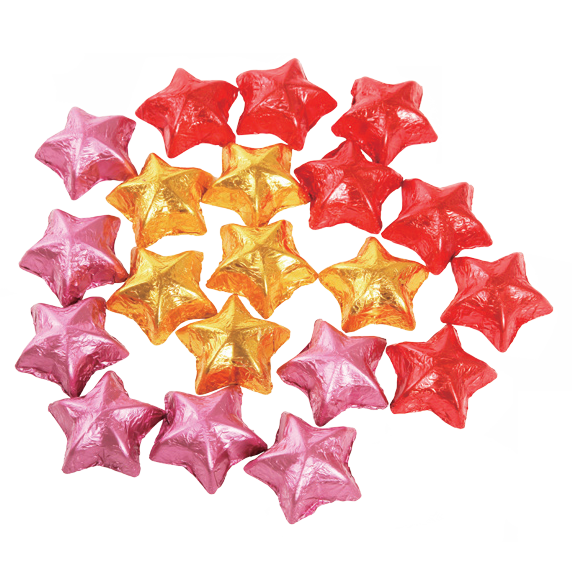
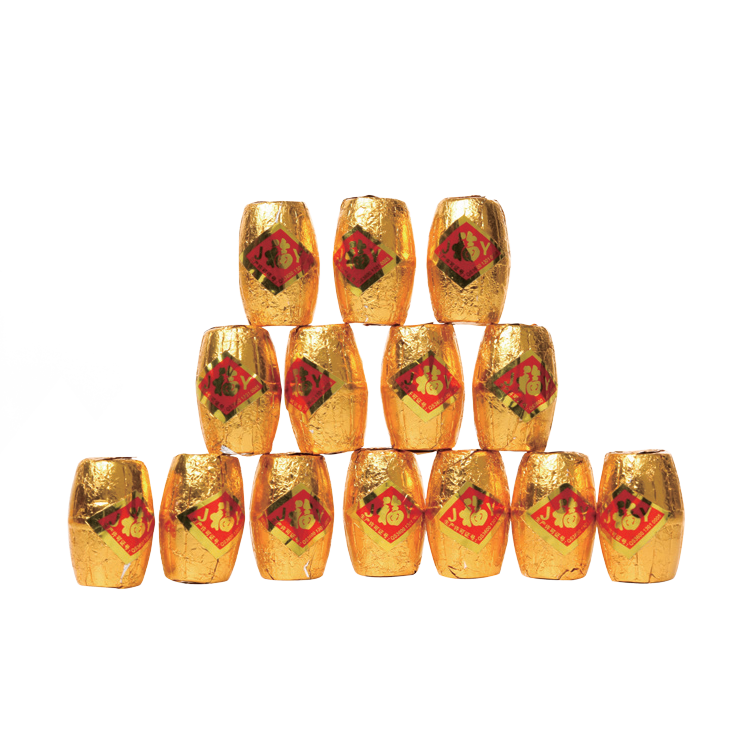
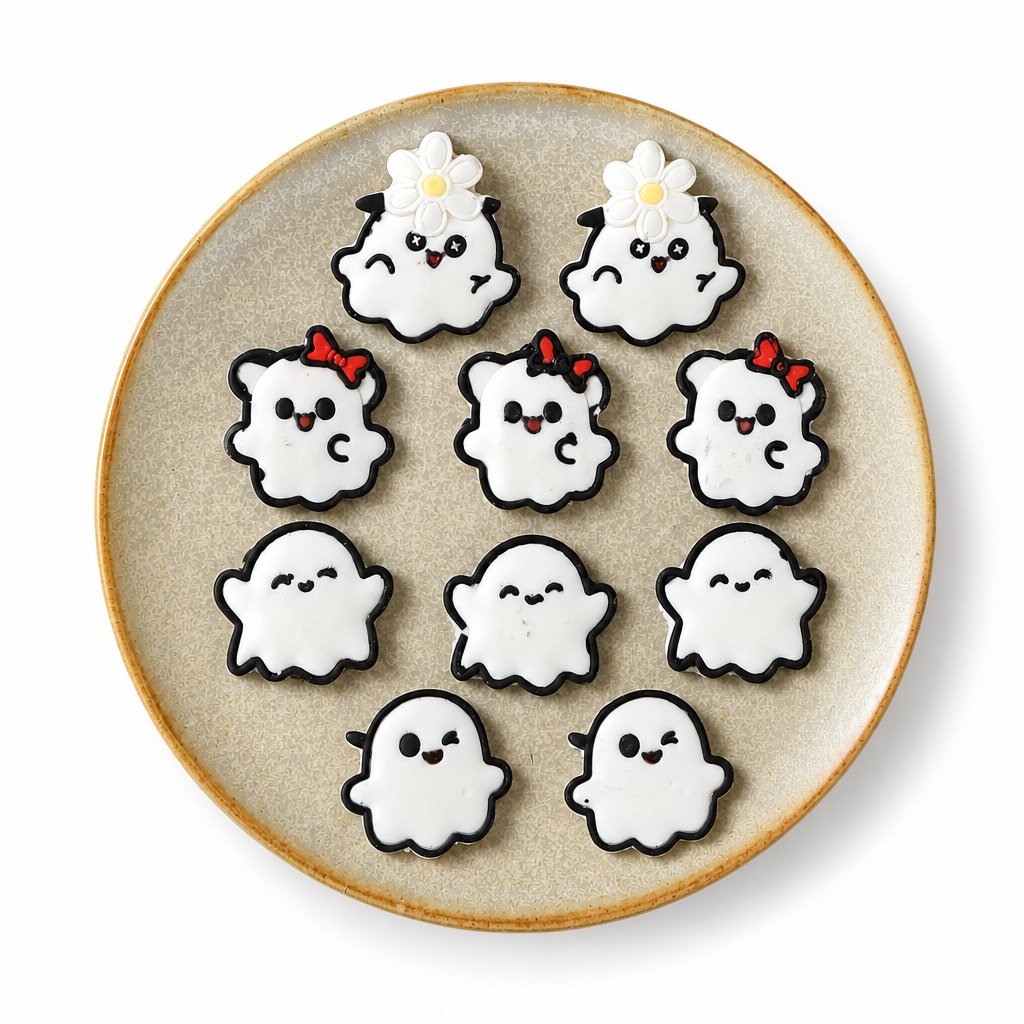
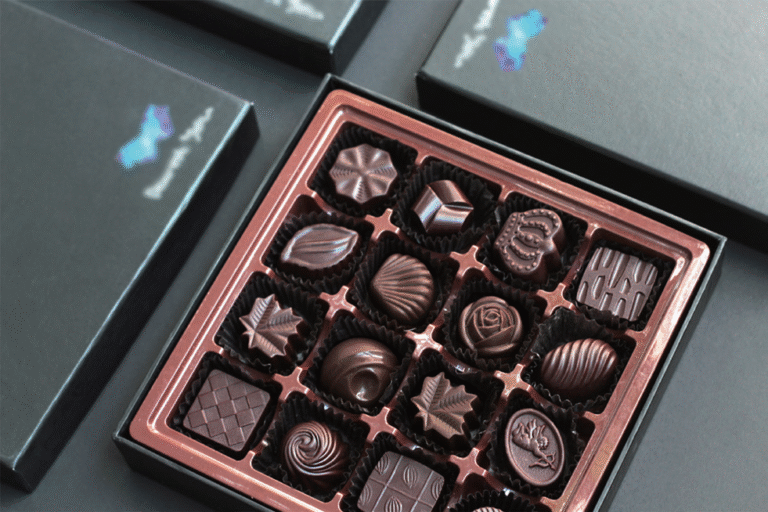
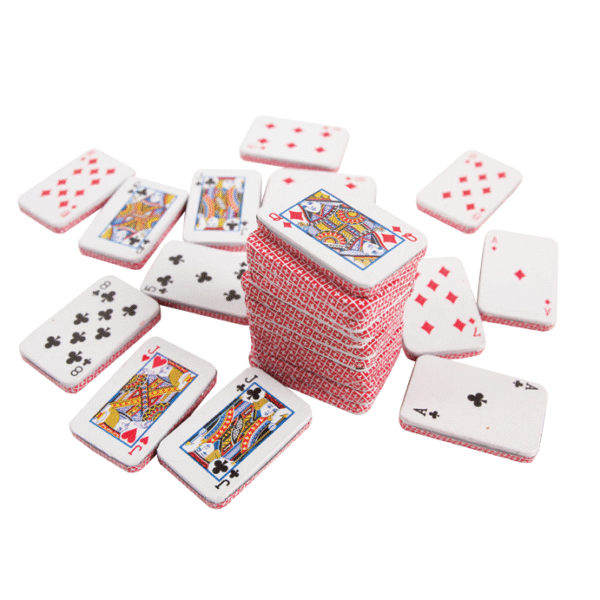
custom shape chocolate
Select/Customize Premium
We offer premium, customizable Aluminum foil chocolate ideal for bulk purchasing and wholesale distribution.
Get Started Today: Contact us now to discuss your requirements and get a personalized quote for your aluminum foil chocolate needs.
Gold Chocolate Coins
Size:23mm/26mm/28mm/34mm/36mm/42mm/46mm
Net Weight:2/2.8-3/3-3.9/4.2-5.2/6.5-7.5/6.5-8.5/9-11/8-14.6/16-18-17-21
Packing: 2.5kg *6 box/custom packing


Gold Chocolate Medel
Size:Large/Small/Custom
Net Weight :(g) 10-11/7-7.5/Custom
Packing:2.5 kg*6 box/Custom
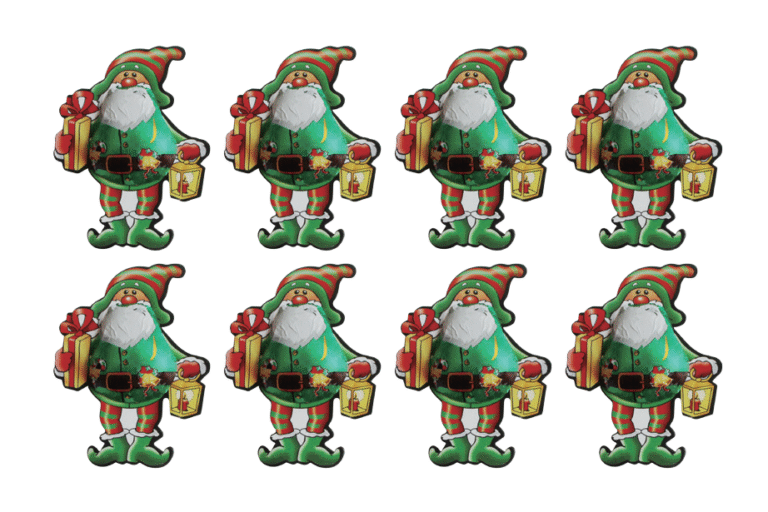
Cartoon Chocolate
Size: regular/custom
Net Weight: (g) 7-8/custom
Packing: 2.5kg*box/custom


Gold Chocolate Medel
Size: regular/custom
Net Weight: (g) 6.7-7/custom
Packing: 2.5kg*6box/custom
Custom shape/packing
Custom chocolate shapes
Custom aluminum foil packaging designs
Custom formulations, weights, and packaging
Let’s take a look at our existing case studies.


About us
We are here to help to Offer Aluminum foil chocolate
At Bakrydeco, we understand the needs of businesses seeking to offer customers high-quality foil-wrapped chocolate. With 20 years of experience in the chocolate industry, we boast an extensive range of designs and robust production capabilities. Whether you’re a brand, manufacturer, or major retailer, we’ll assist you in bulk purchasing and customizing foil-wrapped chocolate that meets all your requirements.
Why Choose Us
Reliable Aluminum Foil Chocolate Supplier
OEM & ODM Service
We provide OEM and ODM customized aluminum foil chocolate solutions.No matter what shape, size, or packaging you require, we can help you achieve it.
One-Stop Sourcing Solution
In addition to foil-wrapped chocolate products, we offer a comprehensive range of baking supplies and confectionery items—including sprinkles, food coloring, edible pens, and gummies. These products enable our corporate clients to consolidate their orders, reduce procurement costs, and access a complete product line from a trusted supplier.
Competitive Pricing
As a source factory for chocolate, we offer competitive pricing that fully meets the needs of large-scale purchasers. Our cost-effective solutions ensure you can maintain healthy profit margins while providing your customers with high-quality products.
Superior Quality & Safety
Our factory strictly adheres to international standards such as FDA, ISO 22000, BRC, and HACCP to ensure every product meets safety and hygiene requirements while maintaining consistent quality. Throughout the entire production process, we rigorously monitor product quality.
Efficient Global Logistics
Our logistics team handles customs clearance procedures, optimizes packaging to ensure the safety of goods during transit, and provides on-time delivery services for bulk chocolate orders.
Robust Production Capacity
We have the capacity to handle orders of all sizes. With an annual chocolate production capacity of 100,000 tons, our flexible and robust manufacturing capabilities ensure your business operates without supply chain constraints.
The Progress of We Make Aluminum foil chocolate
Premium ingredient
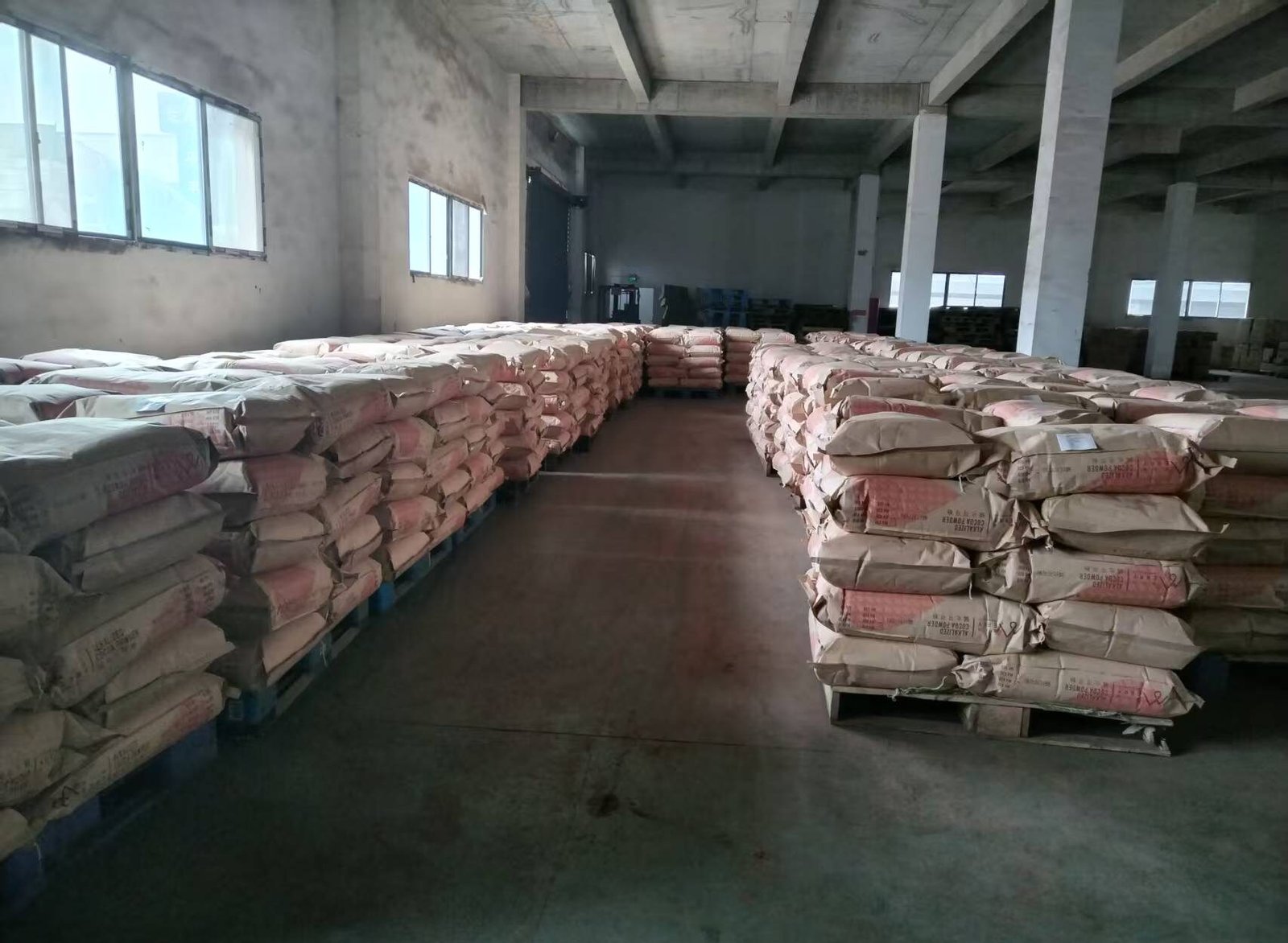
We source premium cocoa from Ghana and maintain ample raw material inventory, keeping 400 tons of cocoa in stock to mitigate rising raw material costs. We grind cocoa beans directly to ensure product freshness and reliability while offering more competitive pricing.
Production&Molding
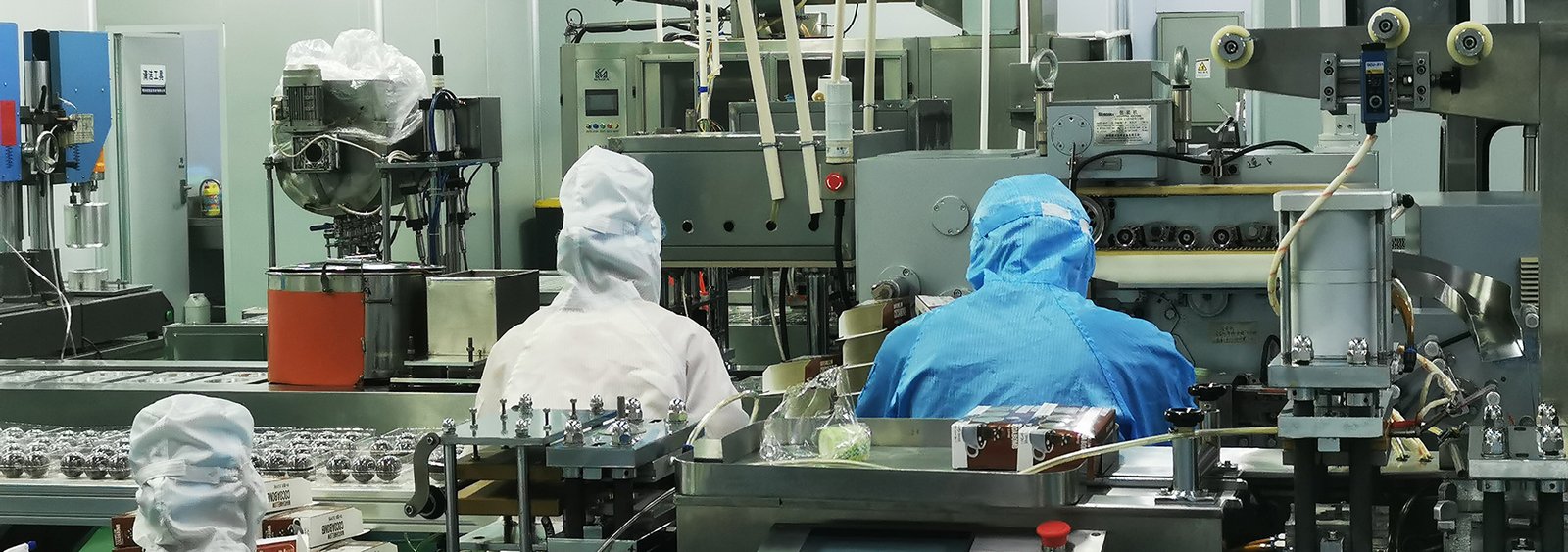
Mix and melt the ingredients, then undergo appropriate tempering to achieve the desired texture and mouthfeel. Subsequently, pour into specially designed molds to shape the desired form and size.
Wrapping
After the chocolate is molded and cooled, packaging begins. Each piece is wrapped in corresponding food-grade aluminum foil, preserving its appearance, freshness, flavor, and quality.
QC & Packaging
We conduct rigorous quality control inspections, meticulously examining each batch of chocolate to ensure its shape, packaging, and overall appearance meet quality standards. Subsequently, we package the products according to specifications.
How You Get Aluminum Foil Chocolate With Us
— 01
Contact Us
Please contact our team via email or the contact form to inform us of your specific requirements for aluminum foil chocolate products. A dedicated account manager will follow up with you to provide personalized service.
— 02
Confirm Sample
We will provide samples according to your requirements for you to confirm the quality, packaging, and design. If you are not satisfied with the samples, we will make revisions until you are satisfied.
Our Gallery


Have Questions?
What kinds of chocolate products do your factory make?
Where do your ingredients come from?
Are your products sold internationally?
What customization options do you offer?
What about pricing and minimum order quantity?
Why should I choose your chocolate?
What is the Flavor of Sprinkles?
You can’t make out a distinct flavor of different colored sprinkles. The only real difference you can taste is from the jimmies sprinkles, chocolate ones, versus those that are different colors. Even with rainbow sprinkles, the different colors will taste the same. The good news is the flavor is wonderful!
There are differences in the taste, based on brand, due to the ingredients used. Be selective about what you use. You don’t want people picking the sprinkles off the desserts you make because they aren’t happy with the taste. We will cover more on what to look for so you can get a quality sprinkles product to use!
Sweet Taste
What comes to mind when you think about the flavor of sprinkles? Most people will say the sweet taste. They are sweet, due to the ingredients in them. The quality of the ingredients influences the overall flavor and amount of sweetness they offer. I used to think all sprinkles tasted the same. That isn’t true though, the process and the ingredients have an impact on the taste.
Some manufacturers cut corners on the quality of the ingredients they use. They are interested in reducing overhead so they can increase profits. They aren’t doing what is best for their customers. This is why they lose customers to other manufacturers who are doing what they can to offer a wonderful product at a reasonable price. Consumers can influence what a company does simply by being loyal to them when they do the right thing.

Combination of the Ingredients
The main ingredients found in most rainbow sprinkles are sugar, vanilla, and corn syrup. Of course, the specific recipe for the product will vary. Some of them have artificial flavors and colors added to them. Read the labels to get an idea of what the product offers. The ingredients on the label are listed in order of how much of that ingredient the product contains.
Some manufacturers share information online about their process for creating the sprinkles. They show images of the factor, their workers, and give insight into what they do to go the extra mile. They are proud of the process they have in place, and they want consumers to feel confident in buying those products. I encourage you to spend some time looking for this type of information before you buy a certain brand of sprinkles.

Add a Crunch more than a Flavor
Sprinkles ice cream treats is something I consume often, for a visually appealing treat. At the same time, it adds a crunch to the treat. I do this for a change in the texture more than for the flavor. We all know ice cream is already sweet, but a handful of colorful sprinkles on top makes it attractive.
I encourage you to try it if you haven’t already! The crunch enhances the flavor your taste buds enjoy. I used to think sprinkles on ice cream were just for kids, but not anymore. It is a game changer in my home, and I always add them when I get a scoop of ice cream.

Chocolate Sprinkles
This crunch factor and the visual appearance are why I like the chocolate sprinkles, known as jimmies. They are brown colored, and add some flare to basic white icing. Sprinkles cupcakes with this as the topping are a huge hit for my family! They look wonderful, but they don’t take time to decorate. I often add them when I bring cupcakes to work or for a school function my children have.
Choosing the Flavors and Colors for your Project
You have unlimited possibilities when it comes to the flavors and colors for your project. Have fun deciding on the color for the icing, the shape and color of the sprinkles, and other details. When I use cake sprinkles, I often think about the holiday coming up or the season. This influences what I use to decorate the cake. I also think about the person the cake is for and the occasion.
If you know their favorite color, why not use that for the icing? This simple touch adds a personal touch to the cake you make for them. I love seeing the eyes of my friends and family when I bake like this for them. The smile on their face is worth the time and effort I put into creating it.
Since I bake so often, I buy sprinkles in bulk. I label them and keep them in air-tight containers. I can pull out a container with all the options I have for Christmas or Halloween. I can get the container that has the various seasons and items that correlate with them in it. Sometimes, it is a hard choice and I have to narrow it down!
I try to do something unique each time I make something with sprinkles. I encourage you to get outside of your comfort zone! See what you can come up with that is fun, creative, and new! Don’t do the same thing over and over again! Mix it up and see what you end up with. On the weekends, I like to make sprinkles donuts for my family.
The kids get excited when they see them! I love that we all sit around the table laughing and sharing stories while we eat them. It is much more than just baking I am doing; I am creating a time for us to bond. These memories are priceless as our household is busy, with everyone going in different directions all the time. When we can share a treat and time together, it is priceless!

Selecting a Theme or Design
Take your time selecting a theme or design using sprinkles. You don’t have to be an expert to make something everyone likes! One of the reasons I like sprinkles is they are easy to work with and not time-consuming. You can put them on by hand by patting them in place. You can randomly shake them out to take a plain cake or cupcake and make it amazing!
I have a variety of stencils I use, too. You just put them in place on the area where you wish to make a design from sprinkles, then remove the stencil. I have created various animal shapes, princesses, leaves, and more using this simple process. It looks professional but the cake or cupcakes are made at a fraction of the cost by doing the work yourself.
Plan ahead to ensure you have the colors of sprinkles, any stencils you need, and other items you may need on hand. Practice what you will make so you are confident when it is time to bake that you have the system down. You will improve with what your finished project looks like the more you work with sprinkles.
I save images of themes and designs I like when I see them at a bakery, in a magazine, or at an event I attend. I use them to inspire me to create something new that could be similar to what I saw. Use your talents and don’t hesitate to branch out. If you aren’t afraid to try, you will be blown away by the theme or design you complete!

Taste is Important
While you want your cakes, cookies, cupcakes, and donuts to look amazing, how they taste is important. I know many people use fondant to decorate with, but not all of it has a great taste. Thankfully, sprinkles tend to taste great. Some of the brands do offer a better taste than others. Keep this in mind when you shop for products. You don’t want to be disappointed with the flavor they deliver.
How do you narrow it down? Read reviews from other consumers. What do they recommend and why? What has a bad review from many people due to the flavor lacking or other concerns? When you see a steady them for products being a good choice, see if they meet your criteria. I recommend buying a small amount first. If you verify the taste is up to your standards, your next order can be in bulk.

Searching for a Quality Product
Your search for great tasting sprinkles should include a top-quality product, too. Some sprinkles have colors that run because they are low quality. Sadly, this will quickly diminish the beauty of what you created. It is heartbreaking to serve a cake or cupcakes when this has happened. A tip I want to share is to add your sprinkles as late as you can. This reduces bleeding, but a quality product is your best solution.
You will pay a bit more for quality sprinkles, but the cost is worth it. Buying in bulk reduces the overall cost involved. It makes sense to pay for a product you can confidently use to create delightful treats. The taste will be great, the appearance will be wonderful, and you can proudly serve those items and not worry about anything! You can eagerly look forward to the creative process involved when you use sprinkles!
How to make a sprinkles with your own shape
Custom sprinkles give delicacies a unique personal touch, therefore elevating them. The best thing is… You manipulate the shapes, tastes, and colours! Learn how to create unique sprinkles at home using basic techniques and creative ideas.

Special Sprinkles for Dessert Perfection
Baking is an adaptation-based sport. Personalising everything from cookies with a message to cakes according to individual tastes helps every day be unforgettable. Among the several methods to personalise desserts, the sprinkle is sometimes considered a minor feature. Though small in scale, this treat may significantly affect enjoyment and appearance. We discuss the attractiveness of bespoke sprinkles in this post, examine the limitations of store-bought kinds, and then walk you through creating your sprinkles using basic supplies and methods here.
Custom Sprinkles’ Attractiveness
Custom sprinkles provide an extraordinary chance to customise sweets beyond taste and icing. They could improve the festivity of a birthday celebration, complement the colour motif of a wedding, or give a handcrafted gift a personal touch. Unlike generic ones, custom sprinkles may be customised in colour, shape, and size, thus ideal for individuals who want to get a particular appearance or impact in their baking.

Resources and Tools Required
Starting your own sprinkler plan begins with the following:
Recipe for Royal Icing or Sprinkle Base: Popular for its short setting time and firm finish is royal icing. Considering royal icing, its main ingredients are powdered sugar and egg whites.
• Piping bags and tips: various shapes require various-sized pipes.
• Essential for simple sprinkle removal once dried is parchment paper or silicone mats.
• Stencils: optional, helpful for complex designs.
• Gel food colouring offers vivid hues.
• Drying Tools/location: Setting the sprinkles best on a level surface in a dry location.
Homemade Sprinkle Crafting
Choose Your Shape: Opt for classic shapes like hearts and stars, or design your own unique sprinkles shape.
Prepare the Dough: Break down the flowers into smaller pieces to blend into the dough seamlessly.
Shape Your Sprinkles: Use molds or cutters to craft your sprinkles, such as heart shaped sprinkles or star-shaped.
Color Addition: Employ food coloring to get the desired shades; use red for creating red red heart shaped sprinkles.
Setting Your Sprinkles: After shaping, set the sprinkles aside to dry completely until they harden.
Sprinkler Heads & Repair: Ensure your kitchen sprinkler heads are operational; if malfunctioning, schedule a sprinkler repair.
Festive Touch: Embellish holiday treats with Christmas sprinkles or custom shapes to add a festive flair.
1. Selecting a suitable base for your sprinkles
Perfect for delicate, piped forms is royal icing. Dries hard and performs effectively for complex designs.
- Perfect for mould or cookie cutter form cutting out projects is fondant. Gives a chewy consistency.
- Candy Melts: Perfect for silicone-moulded 3D sprinkles. It is set fast and comes in several colours.
2. How to create your own shape sprinkles
Creating Your Shapes from Piping
Pip tiny forms onto parchment paper using royal icing. Before using, let dry totally. Sprinkles may be made most simply using freehand piping. Several techniques will allow you to create dots, lines, stars, and more. Uniform forms and sizes depend on consistency in pressure and speed. Before working on the final batch, practise on parchment paper.
3. Using stencils
Stencils can be used to create more complex patterns. Gently pipe over your mat, then raise to expose the design from the stencil. Use icing that will not spread but is fluid enough to cover complex sections.
Cutting Out Forms from Rolled Fondant
Cut forms using little cookie cutters, roll fondant thin, and let them air dry. Once semi-set but not completely solidified, pipe sheets of icing into pieces for geometric forms like rectangles or triangles. This technique calls for exact timing to guarantee the frosting is perfect for cutting.
Three-dimensional sprinkles using silicone moulds
Making bespoke sprinkles at home is most straightforward and enjoyable when creating 3D sprinkles using silicone moulds. This technique lets you create finely detailed, three-dimensional forms that accentuate your sweets. Here’s how to accomplish this:
- Choose tiny silicone moulds with complex designs like stars, hearts, flowers, or even themed shapes, including animals or holiday symbols. These moulds are ideal for sprinkle-sized projects.
- Get candy melts in the colours you want. Melt them in a microwave-safe bowl in 30-second intervals, stirring until smooth. You could also use a double boiler for consistent melting.
- Carefully fill every silicone mould cavity with melted candy using a tiny spoon or pipework bag. Lightly tap the mould on the counter to remove air bubbles and ensure the candy settles into every detail.
- Let the candy melt fully set. This usually takes 10 to 15 minutes at room temperature. Refrigeration for five to ten minutes will help the mould provide speedier results.
- Once wholly set, softly bend the silicone mould to release the three-dimensional sprinkles. They should keep their exact forms and come out readily.
- Keep your 3D sprinkles in an airtight container until ready to use. They’re perfect for decorating cakes, cupcakes, cookies, or even ice cream!
Coloring and Adding Details
To get the right colours, toss gel food colouring into your frosting. With multi-coloured icings, overlay colours once the base has been baked or mix many coloured icings while they are wet. Dried sprinkles can be further embellished with fine brushes.
Drying and Arrangement
- Drying is vital; the sprinkles should be left undisturbed in a dry environment until set, which might take many hours. Set fondant sprinkles and air-dry royal icing for twenty-four hours. Candy melts within minutes.
- Store them in an airtight container at room temperature for up to two months; keep them cold and dry to prevent them from melting or clinging together.
- Thoughts and Inspiration: From seasonal ideas for holiday baking to vivid mixtures for children’s parties, the opportunities for sprinkling patterns are almost unlimited. Choose shapes and colours that accentuate the dessert you’re decorating or the event.
- Verifying: Common problems include colours that bleed or aren’t vivid enough, sprinkles that don’t dry correctly, and icing that is either too thick or too thin, which can impact piping. These problems may be resolved by varying the icing consistency and guaranteeing appropriate drying conditions.
- Making unique sprinkles improves your baking skills and gives your dishes a more personal touch. Whether you enjoy baking at home or professionally, learning the technique of handmade sprinkles can provide countless opportunities for innovation and personalisation in your food projects.
Ideas for Customising
- For a glittering look, include edible glitter.
- For themed sprinkle mixtures, combine forms including stars, hearts, and flowers.
- For a better choice, use natural food colours like turmeric or beetroot powder.
Creative Ideas for Custom Shapes
One great approach to personalize your desserts is using custom sprinkles. These imaginative forms and topic ideas will help you inspire your sprinkle-making exploits:
Seasonal Formulations:
Halloween calls for pumpkins, ghosts, and bats.
Winter: snowmen, mittens, snowflakes.
Valentine’s Day: Hearts, cupid arrows, flowers.
Christmas: candies, canes, stars, Christmas trees
Themed Shapes: Elephants, cats, dogs, butterflies.
Nature: Suns, clouds, leaves, flowers.
Geometric Patterns: hexagons, triangles, circles, diamonds.

Shapes Specifically Designed for Events:
o Weddings: hearts, bells, rings.
o Graduation hats, diplomas, stars.
o Baby Shower: Onesies, pacifiers, baby bottles, rattles.
o Everyday fun: balloons, candles, age digits, names on birthdays.
o Children’s cakes feature animals, stars, rockets, and dinosaurs.
o Custom letters, initials, or phrases like “Love” or “Yay!,” then personalized messages
Ideas for colour and finish:
o Create a gradient by mixing tones of the same colour.
o Add edible lustre dust or glitter for a dazzling look in metallic or pearlescent finishes.
o Themed Sprinkle Mixes: Match holidays or special events with shapes and colours. Use red and green for Christmas, and pastels for Easter.
These imaginative ideas can help you create sprinkles as distinctive as your delicacies, adding even more specialness to every event!
Advice for Performance
Making unique sprinkles is a creative and satisfying hobby, but a few pointers can help guarantee your sprinkles come out precisely every time. Here’s how to perfect the art of sprinkle-making.

How should one use the sprinkles in different baked products?
Custom sprinkles will enhance any dessert! Use them to garnish cupcakes, cookies, cakes, or even ice cream. Match the shapes and colours of your dessert’s theme to create a unified look.
How to Get Perfect, Consistent Icing:
Make sure royal icing for piped sprinkles is smooth and lump-free. Before combining, sift the powdered sugar; then, gradually add water or egg white to get the proper consistency—thin enough to pipe readily but thick enough to maintain its form.
A silicone mat revolutionizes easy removal by transforming sprinkling. Once delicate forms have dried, peeling off intricate shapes is simple and helps avoid sticking. It is also easily cleaned and reused!
How to Store Made-Made Sprinkles to Prevent Clumping:
Store your handmade sprinkles at room temperature in an airtight container. Toss a little packet of silica gel or uncooked rice to absorb moisture and prevent clumping.
How to Avoid Cracks:
To avoid sprinkling cracking, ensure the candy melts or frosting isn’t very thick. Roll the fondant evenly and avoid overdrying. Lightly touch the mould to get air bubbles out and guarantee even settling for candy melts.
These ideas will produce perfect, personalized sprinkles that accentuate your baked goods professionally!
Conclusion
Customizing sprinkles is an interesting and artistic approach to improving your dishes. You may create sprinkles for every event with unlimited forms, colours, and tastes. Try these methods and savour the incredible outcomes!
Baking Sugar Cookies with Sprinkles
More than just a kitchen hobby, baking sugar cookies with sprinkles offers an opportunity to create lifelong memories, inspire creativity, and indulge in a sweet taste. The fact that this experience is flexible—suitable for all ages, from small toddlers to adults—makes it very memorable. Sugar cookies with sprinkles are a universally fun endeavor, whether you’re teaching children the wonder of baking or watching adults turn a basic recipe into a piece of beauty. Let’s explore how this exercise can be customized to various age groups and ideas to guarantee it’s enjoyable, safe, and rewarding.

Preschoolers and Toddlers (Ages 2–5) Learning Through Baking
Young children can be introduced to the art of baking in a great way with sugar cookies. Children between two and five like hands-on, sensory activities and baking cookies. It’s an interesting and instructive experience because they can touch, smell, and even taste (safe components of) the process.
Fine Motor Skills:
Toddlers’ hand-eye coordination and fine motor abilities benefit from pouring sprinkles, pressing cookie cutters, and patting dough.
Sensory Discovery:
Through tactile play,like
- kneading dough
- visual excitement
- with multicolored sprinkles
- and the aroma of cookies baking in the oven
Baking stimulates their senses.
For this generation, simplicity and adult supervision are vital. Here’s how you arrange it:
Toddlers should be able to pour all prepared and measured materials into the bowl beforehand. This keeps the process flowing and allows kids to “help” without generating too much mess.
Pay Attention to Decorating: Let the grown-ups bake. Toddlers can avoid hot surfaces by rolling dough and sprinkles.
The younger children will find the exercise more interesting if you use whimsical shapes like stars, hearts, or animals using cookie cutters.
Extra Fun Tip
Make a sprinkling station! Set out little bowls loaded with vibrant sprinkles and edible glitter as your child decorates their cookies. This will make them feel like a tiny artist.
Early School Age Children (ages 6–8): Practical Creativity
Children in this age range enjoy activities that allow them to express their imagination. Sprinkles allow countless ideas for interesting designs decorating sugar cookies. At this point, they can manage more difficult activities with some direction, which makes the experience interesting and satisfying.
Advantages for early school-age children
- Successfully following a recipe and seeing the result will increase their self-esteem.
- Baking with friends or siblings develops teamwork and deepens relationships.
- Decorating cookies becomes a creative release through culinary art.
Adjusting the Method
Between the ages of six and eight, children can assume increasing responsibility in the kitchen under the following directions:
Provide young children-friendly measuring utensils and teach them precise ingredient measurements.
Show them how to flatten the dough using a rolling pin.
If you’re comfortable, this is an ideal age to teach fundamental oven safety. Under adult supervision, youngsters can learn about hot surfaces and assist in oven placement of the cookie pan.
Fun Tip
Turn cookie decoration into a creative challenge. Provide them with concepts such as “holiday cookies” or “summer vibes,” and allow their creativity to flourish. Remember to grab memories by snapping pictures of their works.

Tweens (Nine to twelve-year-olds): Developing Kitchen Independence
Children entering their tweens may yearn for more freedom. Making sprinkled sugar cookies becomes the ideal chance for children to learn more cooking techniques and assume more responsibility.
Benefits for Tweens
- Following a recipe calls for concentration and critical thought, like solving a puzzle.
- Tweens can experiment with flavors by adding a bit of cinnamon or substituting sprinkles for chocolate chips.
- Baking on their own under supervision teaches responsibility and safe kitchen techniques.
Changing the Procedure
- For tweens, the objective is to foster independence while considering safety:
- Learning the Recipe:Let them follow and read the recipe; help as needed.
- Encourage children to perform simple tweaks like adding food coloring to the dough for a creative spin.
- Using oven mitts and direction, youngsters can independently handle more processes, such as placing cookies in the oven—but always keep close for safety.
Suggestion for Fun
Plan a contest in cookie decoration! Ask friends or relatives to participate and see who can produce the most imaginative design. This celebrates everyone’s inventiveness and adds a lively, competitive aspect.

Teenagers (ages 13 to 18) baking with confidence and creative flair
When children enter their teenage years, baking transforms from a leisurely hobby into a means of relaxation, expressing creativity, and even learning useful skills. Teens love experimenting with flavors, decorations, and techniques, so transforming a basic sugar cookie recipe into an opportunity to pursue their gastronomic interests.
Advantages for teenagers
- Making baked goods can be a peaceful release from the demands of social life, academics, or other obligations.
- Cooking at this age is a useful life ability that greatly benefits them.
- Teens could ask questions about the science underlying baking, like how components interact or why particular methods work.
Changing the Methodology
- For teenagers who like to be creative in the kitchen, sugar cookies are a terrific starting point:
- Encourage them to research advanced recipes or methods to improve the basic sugar cookie batter.
- To help kids elevate their cookie designs, offer advanced decorating tools, including stencils, edible paints, or piping bags.
- Group baking sessions are a great way to have friends participate in their original ideas and decorations.
Advice for Entertainment
Challenge teenagers to create themed cookies for a particular event—sports-themed cookies for a game day or galaxy-inspired designs for a party. This gives their baking more meaning and increases their enjoyment of it.
Adults (Ages 18 and beyond): A Relaxing and Creative Pastime
Baking sugar cookies with sprinkles is not child’s play for adults; it’s an opportunity to relax, express creativity, and socialize. Whether you bake professionally or start, this classic dessert can be enhanced with complex tastes and elegant decorations.
Advantages for adults
- Baking can be a peaceful exercise that helps one relax and lower tension.
- Like painting or crafts, decorating biscuits lets one express oneself creatively.
- Sharing handmade cookies with friends or relatives helps to build close relationships and lifelong memories.
Boosting Sugar Cookies
- Think about these suggestions to appeal to adults this activity more:
- Experiment with premium ingredients to improve the taste: vanilla bean paste, almond essence, or citrus zest.
- Use modern decorations, including metallic sprinkles, edible gold leaf, or complex stencils for a classy look.
- Advanced Techniques:Mix marbling techniques for a professional touch or pip royal icing into flower designs.
Advice for Fun
- Organize a cookie-decorating party whereby everyone contributes their preferred sprinkle mix or topper. It’s a great approach to spend time with loved ones and appreciate original works.
- Maintaining Its Fun and Safety for All: Safety and fun should always come first, regardless of age group. These universal guidelines help to guarantee a good baking experience:
- Teach younger children oven and knife safety, then keep dangerous instruments out of reach.
- Organize your workstation with all the tools and components required to maintain seamless operation.

Start Small: To keep from overwhelming children (and yourself) when baking with them, think about using a half-batch recipe.
Celebrate the Process: Emphasize having fun above perfection—every cookie—no matter how messy—is a success!
Educational Value of Children Making Sugar Cookies Using Sprinkles
More than just a fun pastime, baking sugar cookies with sprinkles gives kids an excellent learning opportunity, combining social contact, education, and creativity. Beyond the delicious final product, this easy baking project has several advantages, whether done at home or in a community center.
Educational Advantages
One practical approach to imparting young children vital life skills is baking. While following a recipe helps youngsters with reading and comprehension, measuring ingredients provides basic arithmetic ideas, including fractions and volume. Understanding the science behind baking—such as how heat changes dough into cookies—sparks interest and critical thinking; mixing dough and rolling it out develops fine motor skills. Sprinkles lets children choose colors and patterns to make their cookies unique, which encourages imagination and decision-making. Since toddlers learn to wait for cookies to bake and cool before decorating, these pursuits promote patience and problem-solving.
Psychological Advantages:
Baking and decorating can help children’s confidence and self-esteem grow. They become proud when their works come to life and receive compliments. Yoga is also a soothing, sensory exercise that promotes awareness and lowers tension.
Making sugar cookies with sprinkles is all things considered, a multifarious hobby that supports a child’s social, emotional, and intellectual growth. Learning, connecting, and having fun can all be enjoyed sweetly!
The Sweet Learning Opportunity
Sprinkling sugar cookies is a classic pastime that makes people of all ages happy. The memories you develop along the way define it more than just the mouthwatering cuisine you produce. Whether you’re organizing a decorating party with friends or helping a youngster sprinkle their first cookie, this easy exercise ties us via imagination and a common love of sweet memories.
So, grab your apron, get your sprinkles, and begin baking—because there’s never a right moment to somewhat sweetify life!
Hundreds and Thousands of Sprinkles: A Confectionary Primer
When adding adorable flair to desserts, hundreds and thousands of sprinkles are a baker’s best friend. These tiny, bright, and multicolored bits of sugar have been delighting taste buds for decades, whether they’re called jimmies in the Northeast or nonpareils in other parts of the world. Let’s dive into the festive world of sprinkles and explore how they’ve become a staple in confectionary art.

What are hundreds and thousands sprinkles?
Hundreds and thousands of sprinkles, or nonpareils, are tiny round sugar balls that come in a rainbow of colors. They are often used to decorate cakes, cookies, cupcakes, and even ice cream. Their crunchy texture and bright appearance make them a favorite for adding a festive flair to desserts.
In some parts of the world, like England, the term hundreds and thousands is commonly used, while in other regions, they might be referred to as nonpareils or simply sprinkles. Regardless of the name, these adorable decorations are a must-have for any baker looking to add color and fun to their creations.
Hundreds and thousands of tiny, round, and colourful sugar sprinkles, sometimes called nonpareils, are commonly used to decorate cakes, cookies, and ice cream. A Confectionary Primer, these sprinkles are popular in baking and dessert decoration since they give sweet foods a pleasing crunch and visual appeal.
The history of hundreds and thousands of sprinkles
The history of hundreds and thousands of sprinkles is as colorful as the sprinkles themselves. These tiny decorations have been used for generations to add a festive touch to desserts.
Often used in the United States as nonpareils, a French word meaning “without equal,” they
The word hundreds and thousands gained popularity in England, expressing the concept of innumerable small, vibrant parts. These sprinkles have changed as new colors, sizes, and forms have been added to fit various baking requirements.
Sprinkles and their types
Sprinkles are beautiful, vibrant decorations that provide dessert texture and visual appeal. Among the several varieties, “hundreds and thousands” is a common expression used in British English for little, round sprinkles—also called nonpareils. Still, the universe of sprinkles goes much beyond these sugary balls. Let’s look at the several kinds of sprinkles, their special qualities, and how you could use them to improve your baked goods.
Common Sprinkles Types
Although hundreds and thousands of sprinkles are traditional, there are many more varieties to investigate:

Press Candy and Sugar Pearls: The Elegant Touch
Although hundreds of thousands of people star on the program, other toppings like press candy and sugar pearls give pastries some beauty. Perfect for garnishing chocolate cakes or custard tarts and with a glossy finish like pearls, sugar pearls have a spherical form and crisp texture.
It is usually used to add beautiful accents to cupcakes or wedding cakes.
Press candy is usually fashioned in vibrant colors, giving birthday celebrations a broad and joyful touch. These are varied designs of molded sugar forms, such as hearts or stars. Often used in themed sweets or holiday fare.
I recall ornamenting a rainbow cake with sugar pearls for a friend’s birthday. Their method of catching the light gave the dessert a magical touch that made it memorable. Any baker’s toolset should include these delicious embellishments, whether adorning doughnuts or ice cream cones.
Jimmies and Confetti: A Sprinkle of History
Did you know that jimmies—a phrase used frequently in the Northeast—have an interesting background? While some claim the term came from Boston or Philadelphia, others attribute popularizing PEEPS in the 1930s to the Just Born Candy Company, well-known for their product line. Known in England as hundreds and thousands, their little, colorful character is aptly described here.
Jimmies 0are long, thin, rod-shaped sprinkles in rainbow or chocolate variants. They are perfect for ice cream toppings or mixing into the batter for baked products like cookies and cakes, and they are softer than other sprinkles. Confetti Sprinkles are flat, disc-shaped sprinkles that resemble confetti. They are perfect for the bright, whimsical decoration of cookies or cakes.
Cut dough shapes.
Bakers in Seattle embellish sliced dough for doughnuts with confetti sprinkles, resulting in almost too beautiful patterns that are nearly impossible to eat. These sprinkles are a great way to make any dessert joyful, whether decorating ice cream or garnishing cakes. Made from either fondant or cookie dough, cut dough sprinkles are fashioned into tiny, edible forms such as hearts, animals, or flowers. These ornamental accents give cakes and cupcakes an original and artistic touch, enhancing themed sweets.
Nonpareils and Sugar Rods: The Crunchy Classics
Sugar rods and nonpareils are great for people who enjoy some crunch. With their cylindrical form, sugar rods give desserts a distinctive texture, larger than jimmies and often metallic in color (e.g., gold or silver). They are ideal for giving sweets like macarons or celebratory cakes a glitzy finish.
- While nonpareils, those small sugar balls are ideal for giving chocolate delicacies a vibrant accent. Hundreds and thousands of nonpareils
Often used to decorate cakes, pastries, and ice cream, they are little, round sugar balls in various colors.
- Considered “nonpareils” in French (meaning “without equal), they are a timeless addition to sweets that accentuate festivity.
Made with fondant cut into tiny forms like animals or flowers or from cookie dough.
- Applied as cake and cupcake decorations, edible
I have always liked decorating cupcakes with nonpareils. Every mouthful of their crisp texture and vivid colors makes life joyful. These sprinkles are a festive accent to any dessert, whether you are garnishing dragées or coating cakes.
Regional Terminology
- ” Hundreds and thousands” is the most often used word for nonpareils in the UK and Commonwealth nations.
- In the United States, “jimmies” mostly describe rod-shaped sprinkles—especially chocolate ones.
- Though some may not be deemed edible due to decorative coatings, metallic-coated sugar rodsor pearls may be described as dragées.

Effective Sprinkles Use
Sprinkles provide pastries not just color and texture but also some originality. The perfect sprinkles will make all the difference whether you’re decorating cupcakes, constructing a birthday cake, or improving a festive treat.
Sprinkles on Sandwiches: A Dutch Delight.
- Sprinkles play a whole other function in the Netherlands. These chocolate sprinkles are popular sandwich topper slag. You did read correctly—sprinkles on sandwiches! This custom parallels the use of muisjes (aniseed sprinkles) and vlokken (chocolate flakes).
- The Dutch are not alone in their unusual sprinkling application. Breakfast staples like hagelslag are also quite popular in Belgium, Suriname, and Indonesia. They are known in Indonesia as meses, or messes, a word most likely derived from Dutch muisjes. These sprinkles give ordinary bread a sweet and crunchy twist, making breakfast more interesting.
- Here’s where it gets even more intriguing: chocolate sprinkles are sometimes sarcastically referred to in Belgium as muizenstrontjes, which means “mouse droppings.” The taste is everything but, even if the name seems unappealing. Kids and adults love the sweet, chocolaty taste; the resemblance to small droppings is just visual.
Beyond Chocolate: Fruit and Anise Sprinkles
The Dutch and their neighbors extend beyond chocolate sprinkles. They also enjoy vruchtenhagel (fruit-flavored sprinkles) and anijshagel (anise-flavored sprinkles) on their sandwiches. These sprinkles, made from sugar and natural flavors, provide a sweet and fragrant variation on the traditional sandwich.
Starting your day with a slice of bread covered with fruit-flavored sprinkles is like eating breakfast for dessert! This creative application of sprinkles reveals how flexible these delicious sweets can be.
- Baking: Jimmies and confetti sprinkles go great in recipes as they don’t melt readily.
- Toppings for cupcakes and cookies improve hundreds and thousands of sugar rods and cut dough sprinkles.
- Special Occasions: Marble sugar rods accentuate wedding cakes. Wedding cakes or celebratory dishes have a sophisticated touch from sugar rods and metallic dragées.
- Themed Desserts: Cut dough sprinkles produce creative and detailed decorations. Making themed snacks is best done with pressed candy and cut dough forms.
The Art of Garnishing: Sprinkles and Beyond
When it comes to garnishing, sprinkles are only a starting point. Press candy, confetti, and sugar caviar can elevate your sweets. Sugar pearls give chocolate mousses a sophisticated touch, and nonpareils provide a fun crunch to custard tarts. Proper sprinkling application depends on balancing color and texture. A rainbow of jimmies on a birthday cake is always a success; edible silver dragées can refine celebratory sweets.
The Joy of Sprinkles
Unquestionably, hundreds and thousands of sprinkles are joyous. These little colorful bits make everyone’s face smile, whether you’re decorating a birthday cake, topping a cupcake, or giving ice cream some festive touch. Any dessert would benefit from their sweet and beautiful crunch and vivid colors. Thus, remember to get the hundreds and thousands of sprinkles the next time you are baking. They celebrate in every mouth, not only serving as an ornament!

Conclusion
Hundreds and thousands of sprinkles bring joy, colour, and texture to desserts. These small treats—sugar pearls, press candy, confetti, or jimmies—bring imagination to baking. From cakes to biscuits, sprinkles brighten and delight every dish.
Do sprinkles contain gluten?
Who doesn’t enjoy sprinkles on desserts? These little accents add joy and taste, whether they are sprinkles on a doughnut, cake, or scoop of ice cream. But if you have celiac disease or are gluten-sensitive, you might be curious whether sprinkles contain flour.

Are sprinkles Gluten-Free?
This is a important question for those who avoid gluten or have celiac disease in particular. Most conventional sprinkles are gluten-free, typically produced from sugar, cornstarch, food colouring, and binding agents—natural, gluten-free ingredients. Some products, however, might use wheat-based ingredients or be manufactured in facilities handling gluten, causing cross-contamination.
Understanding gluten in sprinkles
Wheat, barley and rye all produce gluten. It’s a frequently utilized binding agent in many food products. Regarding sprinkles, brand and type of substance could affect them.
Common Sprinkles Ingredients
Sprinkles usually include sugar, corn syrup, cornstarch, and several food colours. A few companies might call for wheat starch or another gluten-containing component in their formula. Therefore, checking the label for any gluten-containing elements is very important.
Check whether the sprinkles in cookies contain gluten; some brands utilize wheat-based ingredients or risk cross-contamination during manufacture.
Decoding Gluten in Sprinkles: A Modern Baker’s Guide
The Core Formula: Sprinkles are a simple alchemy of sugar, cornstarch, and food colours—all naturally gluten-free substances at their basis. The devil’s in the details, though: occasionally, modern production slips binders generated from wheat or barley-based malt flavouring, transforming those innocent rainbow bits into gluten explosions.
The thickener twist: While most sprinkles depend on corn-based thickeners (gluten-free by nature), handmade or imported variations may include modified food starch from dubious suppliers.
Pro tip: Assuming the label does not mention “corn,” consider it gluten roulette.
Label Linguistics: Though the absence of gluten (“no wheat/barley/rye”) matters just as much, “gluten-free” claims are comforting. Some brands avoid certifications but create products securely; look for phrases like “maltodextrin (wheat)” that expose gluten’s existence.
The Silent Threat: Cross-contamination is silent. Even gluten-free products might turn out in common areas. Sprinkles’ small size makes them magnets for airborne gluten particles, and unless the box claims specialized GF equipment, that celiac-safe cupcake could be a risk.
Toppings Designed for Future Proof: Beyond conventional sprinkles, avant-garde substitutes are sprouting: vegetable-dusted crisps, protein-packed seed confetti, or even spirulina-dyed quinoa puffs. They are allergen-aware, nutrient-dense, and gluten-free.
How to Enjoy Sprinkles Without Gluten Worry
Though they appear like a simple garnish, sprinkle caution if you follow a gluten-free diet. Though many sprinkles are gluten-free, not all are healthy for people with celiac disease or wheat sensitivity.
Some Sprinkles Are Gluten-Free.
Many sprinkle brands today mark their products as gluten-free, allowing customers to make safe decisions. These sprinkles are produced in facilities free of gluten cross-contamination using gluten-free ingredients.
Several producers create gluten-free sprinkles processed in facilities devoid of gluten-containing substances. Usually branded as “gluten-free,” these products enable customers to make safe decisions.
Always review ingredient labels.
Always read the ingredient list and search for allergen warnings to ensure sprinkles are acceptable on a gluten-free diet. When the label is vague, get more information by contacting the maker personally. Not every sprinkle is the same. Some are handled in facilities handling gluten or have additions derived from wheat. One should carefully review the contents even if a package seems safe. Look for modified food starch (it should not be indicated) and wheat flour.
Other additions produced from gluten, malt extract: Dyes or binding chemicals used to keep sprinkles together could contain hidden gluten.
Look for Gluten-Free Certifications: Look for certificates from reputable gluten-free companies as
The Gluten-Free Certification Organization (GFCO)
- Celiac UK (for firms in the United Kingdom) is for further guarantee.
- Celiac Support Association (CSA)
- Usually below 20 parts per million (ppm), these labels certify that the food satisfies rigorous testing criteria for gluten level.

Try Naturally Gluten-Free Alternatives
If you’re not sure about conventional sprinkles, experiment with these great (and healthy!) substitutes:
Dry fruit bits: (freeze-dried strawberries, coconut flakes); dark chocolate shavings or cocoa nibs.
Create Your Sprinkles: You’d be surprised how simple homemade sprinkles are! Mix powdered sugar with rice flour and natural food colouring for an interesting, safe, do-it-yourself project.
Trust Gluten-Free Brands: Gluten-free sprinkles from companies such as India Tree, Sweetapolita, and Let’s Do Organic taste exactly as fantastic as traditional varieties.
Don’t Skip the Fun—Choose Wisely!
There is too little time in life to skip sprinkles. You may still enjoy all your favourite sprinkle-covered delicacies with a little caution to keep gluten issues at a distance.
Are Sprinkles Safe for Gluten-Free Diets?
Although not all sprinkles contain gluten, people with gluten sensitivity should carefully read labels and select goods, especially those labelled gluten-free. This allows everyone to enjoy their preferred sweets like doughnuts, cakes, cookies, ice cream, and cupcakes with sprinkles—without thinking about gluten.
How to Enjoy Sprinkles for Gluten-Sensitive Eaters
Who says you have to forgo sprinkles? Whether treating yourself to a doughnut with sprinkles, indulging in ice cream with sprinkles, or decorating a birthday cake with sprinkles, you can still enjoy these vivid toppings—even if you have gluten sensitivity!
Sprinkles Can Be For Everyone
Everybody can enjoy sprinkles; just because you avoid gluten does not mean you have to miss out on enjoyment. Sprinkles are inherently gluten-free. With a few basic substitutes, you may safely add festive crunch to all your holiday treats, including:
The secret is being aware of components and selecting appropriate goods.

Gluten-Free Sprinkles for Popular Desserts
Donut with sprinkles: As the base is usually wheat-based, find out if it is gluten-free.
Cake with sprinkles: Safe sprinkles are common embellishments for gluten-free cakes.
Cookies with sprinkles: To avoid hidden gluten, choose certified gluten-free sprinkles.
Sprinkles over ice cream: most toppings are gluten-free, but always double-check.
Sprinkles on gluten-free cupcakes: They provide a safe top covering.
How to Enjoy Sprinkles Without Gluten Worries
Look for certified gluten-free sprinkles—brands like India Tree or Sweetapolita—to guarantee your treats are safe.
✔ Steer clear of bulk-bin sprinkles (cross-contaminant risk).
✔ Check labels for wheat-based components, including “wheat starch” or “malt flavouring.”
✔ Brands that unequivocally say they are produced in specialized gluten-free facilities
If you follow a gluten-free diet, you can safely eat cupcakes with sprinkles by selecting certified gluten-free sprinkles or homemade sprinkles made with gluten-free ingredients.
Gluten-Free Sprinkles: Delicious Alternatives to Traditional Toppings
You want a gluten-free alternative yet love sprinkling vibrant colours on your doughnuts, cakes, cookies, and ice cream. There are many delicious and safe substitutes for conventional sprinkles regardless of your dietary restrictions—celiac illness, gluten sensitivity, or better ingredients.

Why Search For Gluten-Free Sprinkles?
Most common sprinkles are typically composed of sugar, cornstarch, and food colouring—all substances free of gluten. Some brands, however, are processed in facilities handling gluten or include wheat-based ingredients, posing a danger of cross-contamination.
Choose a safe alternative, whether you’re topping a cupcake with sprinkles, a cake with sprinkles, or even a scoop of ice cream with sprinkles. These are the finest gluten-free substitutes to make your sweets festive and worry-less!
1. Natural Alternatives to Traditional Sprinkles
Try these healthy, naturally gluten-free alternatives if you wish to avoid manufactured sprinkles totally:
✅ Crushed nuts (almonds, pistachios, pecans) — Drives rich taste and crunch into cookies sprinkled or yogurt-covered.
A healthy garnish for smoothies or gluten-free muffins is seeds (chia, sesame, poppy, sunflower).
✅ Dried fruit—freeze-dried strawberries, blueberries, or coconut flakes—vibrant colours with a fresh spin.
✅Chocolate shavings or cacao nibs: Perfect for a rich ice cream with sprinkles, cocoa nibs or chocolate shavings
✅Cookies with sprinkles: Using certified gluten-free sprinkles and alternative flours will help many cookies with sprinkles to be gluten-free, thereby enabling individuals with sensitivity to enjoy the same colourful delight safely.
These substitutes cut gluten and give your delights more texture and minerals!
2. Recipe Homemade Gluten-Free Sprinkles
Making your sprinkles is quite simple! Try these straightforward home recipes:
Classic Style Sugar-Based Sprinkles: Mix powdered sugar with rice flour plus organic food colouring (from beetroot, turmeric, or spirulina).
- Pip thin lines onto parchment, let dry, then break into small bits.
Melt gluten-free chocolate, drizzle into thin threads, cool, then cut.
Toss smashed pumpkin seeds, coconut flakes, plus cinnamon for a crunchy, naturally sweet topping.
Made-from-scratch sprinkles allow you control over ingredients, guaranteeing no artificial additives or hidden gluten.
3. Specialty Gluten-Free Sprinkle Brands:
These reliable manufacturers provide certified gluten-free sprinkles if DIY isn’t your style:
Natural colours, gluten-free, without synthetic dyes India Tree.
🌟 Let’s Do Organic – Colored sprinkles created with plant-based components; Sweetapolita is vibrant and allergy-friendly vegan gluten-free.
🌟 Cake Mate (choose flavours); some are gluten-free.
For someone with wheat intolerance, always check labels for certification when decorating a cake or a doughnut with sprinkles.
Verdict: Can sprinkles be eaten on a gluten-free diet?
Certainly! Though most sprinkles are gluten-free, always verify labels—especially if you decorate a cake or enjoy a cupcake with sprinkles. With the correct decisions, you may savour all your favourite sweets worry-free!
Want gluten-free treats topped with sprinkles? Look at safe, great choices right now!
What Are Sprinkles Made Out Of
The tiny, dazzling decorations called sprinkles transform everyday sweets into striking masterpieces. Sprinkles give a cheerful, festive touch, whether covering an ice cream, cupcake, or cookie. But have you ever considered what are sprinkles made out of?
This post contains the components of sprinkles, the various varieties, the most popular sprinkles for cupcakes, cookies, chocolate, donuts, ice cream, and cakes, their nutritional content, and if they give any health benefits—or just more sugar.

What Are Sprinkles Made Of? The Basic Ingredients
Usually manufactured from just a few basic components, most classic sprinkles—also known as jimmies, nonpareils, or hundreds & thousands—are
- Sugar: The primary component of sprinkles’ sweetness.
- corn syrup: Helps bind the ingredients and produce the proper texture by either cornstarch or corn syrup.
- Wax—Carnauba or bees walk—adds a small gloss and stops clumping.
- Food coloring offers vivid hues ranging from red to blue to green and yellow.
- Flavors (Optional) -Some sprinkles have vanilla or other extracts for added taste.
- Vegetable Oil: sheens and prevents clumping.
- Artificial flavors produce vivid colors and occasionally sprinkles for chocolateor vanilla taste.
- Small Amounts of Micronutrients: Fortification includes trace minerals, including iron, magnesium, and copper.
New-Age Ingredients in Modern Sprinkles
Though food coloring and sugar still rule, creative and health-conscious sprinkle manufacturers are changing things:
- Natural Colors:Sprinkles without artificial colors are now colored from beetroot, spirulina, turmeric, and butterfly pea flowers.
- Alternative Sweeteners:Sprinkles for keto-friendly and diabetic-safe employ alternate sweeteners such as monk fruit, erythritol, or coconut sugar.
- Gelatin-Free Glaze:Plant-based shine enhancers like rice bran or candelilla wax replace shellac or bees walk in the gelatin-free glaze.
How Are Sprinkles Made?
- Creates a paste-like mixture of sugar, corn syrup, and starch.
- Machines run the mixture through to produce long, noodle-like strands.
- Along a conveyor belt, these threads break into little bits.
- Finally, they get a crunchy texture and glossy look from food coloring and sugar glaze.
Are sprinkles vegan or gluten-free?
Vegan Sprinkles
Since most basic sprinkles are vegan and free of animal ingredients, though some companies utilize confectioner’s glaze (shellac) from insects, most are vegan. Some variations could include gelatin, rendering them non-vegan.
Gluten-Free Sprinkles
Although some manufacturers process gluten-free sprinkles in facilities using gluten-containing components, the possibility of cross-contamination exists even if the sprinkles themselves do not contain gluten.
If you want certified gluten-free sprinkles, always read the labels.
Sprinkles Nutrition Facts: High in Sugar, Low in Nutrients
Though they are usually consumed in tiny quantities, sprinkles have high sugar, carbohydrate, and calorie count. Copper, magnesium, and iron are among the minor micronutrients they contain.
Chocolate-Flavored Sprinkles: Nutrition per two tablespoons (21g).
Nutrient | Content (Per Two Tbsp.) Cal | % Daily Value (DV) for Nutrients |
calories | 107g | – |
Iron | – | 2% |
protein | 0.5g | 1% |
Sugar | 13g | – |
Fat | 6.5g | – |
Fiber | 1g | 4% |
Copper | – | 10% |
Although they include minute levels of micronutrients (such as copper or iron), sprinkles are not a major source of vitamins or minerals.
Key Takeaways:
High in Sugar: Two tablespoons have roughly three teaspoons of 13g of sugar.
Low in Nutrients: Sprinkles are not a major source of vitamins or minerals, even if they offer minute levels of copper, magnesium, and iron.
High in calories: Their 107 calories per serving provide more energy than much nutritional value.
Should You Limit Your Sprinkle Intake?
The U.S. Department of Agriculture (USDA) advises reducing added sugar intake to less than 10% of daily calories. Under a 2,000-calorie diet, this comes to about 12 teaspoons (50 grams) daily.
Given that just two tablespoons of sprinkles have 13g of sugar, regular consumption could lead to too much sugar intake, which is associated with obesity and weight increase, Type 2 diabetes, heart disease, and liver diseases.
Healthier Alternatives to Traditional Sprinkles
Try if you enjoy decorating desserts but wish to reduce sugar intake:
- Fruit and vegetable-derived natural-colored sprinkles
- For crunch and nutritious fats, crushed nuts or seeds
- Lower sugar, more antioxidant dark chocolate shavings
- Dried fruit bits (adds inherent sweetener).
Types of Sprinkles & Their Best Uses
Not all sprinkles are identical! The most often used varieties are broken out below, with the best desserts to pair them with:
1. Sprinkles for cupcake
- Classic Jimmies: Perfect long, thin strands for rolling cupcake edges.
- The tiny, flat discs called confetti sprinkles have whimsical appeal.
- Pearlized sprinkles are shimmery and sophisticated for themed cupcakes.
2. Sprinkles for cookie
The small spheres called nonpareils stick tightly to the frosting. Quins, shaped sprinkles—heart, star, or seasonal designs for adorned cookies. Larger, crystal-like sprinkles for crunchy texture are sanding sugar.

3. Sprinkles for chocolate
Chocolate Vermicelli: Thin, delicate threads melted into chocolate.
Metallic Sprinkles: For a glitzy finish on bark or in gold or silver.
4. Sprinkles for Donuts
Rainbow Jimmies: The traditional selection for glazed donuts.
Crunchy sugar sprinkles give cake donuts texture.
For churros or spiced donuts, a cinnamon sugar mix is ideal.
5. Sprinkles for ice cream
Perfect for soft-serve, colorful nonpareils are small and lightweight.
Sprinkles for chocolate—essential for chocolate cones.
Mix-ins for sweetener ice cream. Usually prepared from sugar, cornstarch, and food coloring, colorful sprinkles for ice cream give your favorite frozen dessert a sweet crunch and vivid accent.
6: Sprinkles for cake
These are edible glitter for a brilliant cake topper.
Big confetti—perfect for birthday cakes.
Custom Letter Sprinkles — spell names or messages.

Move over cupcakes: sprinkle leftovers from the bakery into uncharted ground:
Top dessert sushi rolls with rainbow rice pearls.
Sprinkle Butter Boards: Whipped butter spreads have edible glitter and sugar pearls swirling throughout them.
Baristas top whipped cream or foamed milk with fine, edible glitter and sugar stars. They sprinkle charcuterie boards with sweet, crunchy tiny biscuits, sprinkles for chocolate barks, and frosted pretzels.
Specialty Sprinkles You’ve Probably Never Heard Of
Discover the sprinkled cosmos outside Jimmies and Nonpareils:
Luster Dust Sprinkles: Think of galaxy cakes; this metallic, high-gloss shine comes from sprinkles mixed with edible mica glitter powder.
Pop-Rock Sprinkles: These are ideal for children’s sweets or party cakes for a sound and fizz blast.
Freeze-dried fruit crumbs: These are used for color and taste (like blueberry or raspberry crumbs)—like sprinkles on upscale pastries.
Savory Sprinkles: Indeed, there is such a thing. For gourmet donuts and inventive bakes, dehydrated cheese flakes, seaweed confetti, or sesame crunch.
- Move over cupcakes: sprinkles for cupcakehave left the bakery, and fresh ground has been found.
- Top dessert sushi rolls with rainbow rice pearls.
- Sprinkle Butter Boards: Whipped butter spreads have edible glitter and sugar pearls swirling throughout them.
- Top whipped cream or foamed milk with fine, edible glitter and sugar stars from Latte Toppers.
Sweet snacking boards, chocolate barks, and frosted pretzels abound on sprinkles for cookie in Charcuterie Boards.

The Art and Science Behind Sprinkles: From Dough to Delight
- Though at first glance sprinkles appear like basic, colorful toppings, their path from raw ingredients to the adorable, glittering ornaments we adore is anything but normal. Although its makeup—powdered sugar, binding agents, and food coloring—is simple, the manufacturing process is a fascinating mix of accuracy and inventiveness. The magic starts when these simple components become a thick, flexible paste.
- An extruding machine molds this mixture into delicate, elongated threads—almost “sprinkle dough” in its rawest form. These threads pass on a conveyor belt into a tumbler, where they are softly broken down into bite-sized bits we know. Still, the metamorphosis is not finished. Though vegans should be aware—some glazes contain animal-derived components—the sprinkles are covered in extra food coloring and a glossy sugar glaze to attain their trademark vibrancy and brilliance. This last touch gives their visual appeal even greater and a pleasing, subdued crunch.
Once polished, the sprinkles are packed and delivered to retailers, ready to sprinkles for cake, cookies, and all kinds of delicious delicacies. And for those who would rather learn by doing? Making homemade sprinkles for cookie is feasible and delightful (and personalized).
How to make sprinkles at home
Do you want homemade, natural sprinkles without synthetic colors? Try this straightforward dish:
Ingredients:
- One cup of powdered sugar
- One teaspoon vanilla extract
- Two to three tablespoons water or milk—dairy or plant-based
- Natural food coloring—beet juice, turmeric, spirulina, etc.
Methods:
1.Create a thick paste with sugar, liquid, and vanilla.
- Sort into small bowls, then sprinkle with natural food coloring.
- Put all the colors in a piping bag with a tip.
- Lay thin, long pipe threads onto parchment paper and let them dry overnight.
- cut into small pieces once set, and your homemade sprinkles are ready!
(Tip: Add cocoa powder for sprinkles for chocolate.)
Where Should One Purchase the Highest Quality Baking Sprinkles?
Search for premium sprinkles here. Here are a few best suggestions:
- Wilton is suitable for seasonal and themed sprinkles.
- Sweet apolita: Superior, vivid colors for baking professionals.
- Fancy sprinkles are trendy combinations that make Instagram desserts.
- Custom mixes for special events from The Sprinkle Company
The edible tech future of sprinkles
- Smart Sprinkles: Experimental dessert labs add pH-reactive color-changing sprinkles on citrus or dairy-based desserts.
- Probiotic Sprinkles: Comprising micro-encapsulated probiotics, they improve intestinal health.
Conclusion:
It’s time to get creative. Now you know what are sprinkles made out of and the ideal kinds for every dessert! The correct sprinkles will make all the difference whether you decorate a birthday cake, cupcakes, or cookies.
Want to stock up on the best sprinkles? Check out our top-rated sprinkle collections and elevate your baking game today!
March 12, 2021