
If you are a business looking for the right creatine formula type to sell, you need to learn about both the pros and cons of creatine. Mainly, two types of creatine are popular in the market: creatine gummies or creatine powder. But choosing the correct type of creatine directly changes your profit margins, shapes your market position and influences customers and retailers differently.
According to global sports nutrition and wholesale markets, creatine gummies have a higher demand than powder because they are ready to use. To help you choose the right creatine formula for your business, here is a detailed guide on the differences between the two.
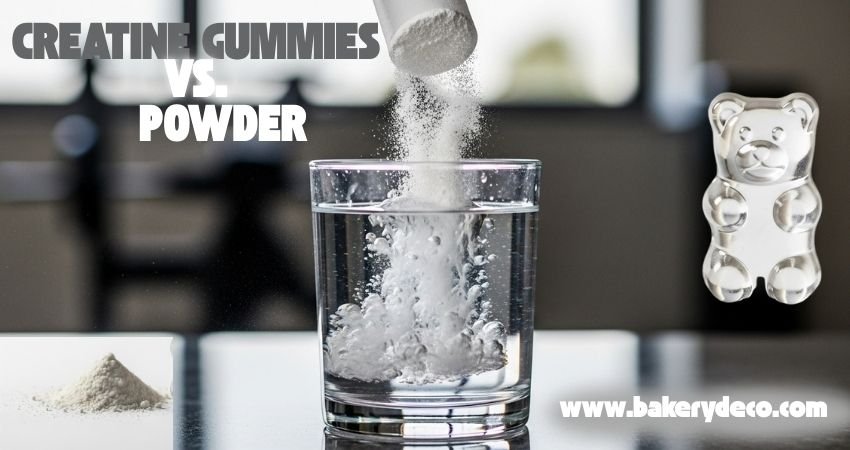
What Is Creatine?
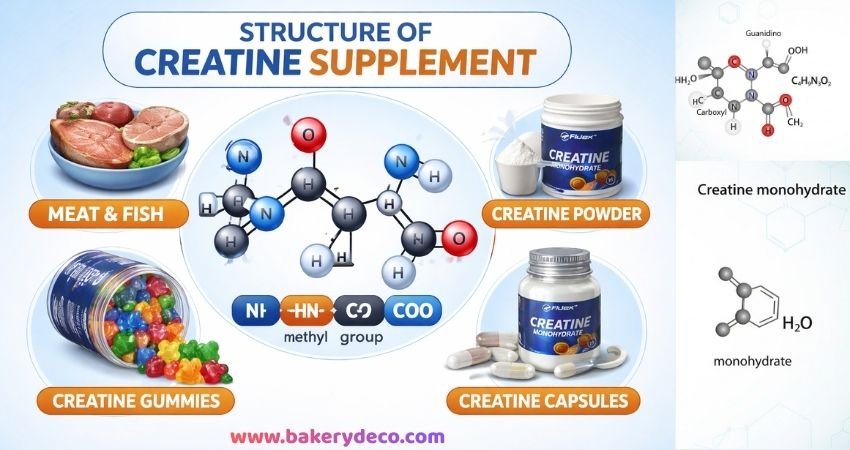
Creatine is found naturally, which includes three amino acids. Although you get a small amount of creatine from different food sources like red meat or fish, your liver creates its own creatine in your body. With phosphocreatine, the kidneys store the creatine in muscles.
Creatine, mainly in the form of creatine monohydrate, is one of the most researched and trusted sports nutrition ingredients. To give strength to your muscles, increase performance and improve recovery, many specialists and customers love creatine.
- Globally recognised by the FDA, EFSA, and others
- Consistent demand from retailers and distributors
- Trusted for private-label brands
- High-turnover, reliable ingredient for businesses
Creatine Supplement Formats
What is Creatine Powder
Creatine powder contains creatine monohydrate, which boosts the overall energy of the body and improves performance in higher-intensity workouts. To give more power to human muscles and drive more strength in heavy lifting, creatine powder helps the overall efficiency. Creatine powder is a white powder made of naturally occurring amino acids. Athletes mix this creatine powder with liquids and take it before working out.
- Streamlined production with lower costs
- Simple packaging requirements
- Lightweight, bulk-friendly shipping
- Predictable, long shelf life
What are Creatine Gummies
Most people prefer creatine gummies because they are newer, chewables form of creatine that combines creatine with sugar sweetness. They are high in demand because of their candy-like flavours and usually work better than powder. People demand creatine gummies because they prefer chewing the gummies rather than mixing the powder with liquids.
- Complex manufacturing (gelatin/pectin, flavouring)
- Portion-controlled servings
- Requires careful packaging and quality checks
- Premium format with higher margins
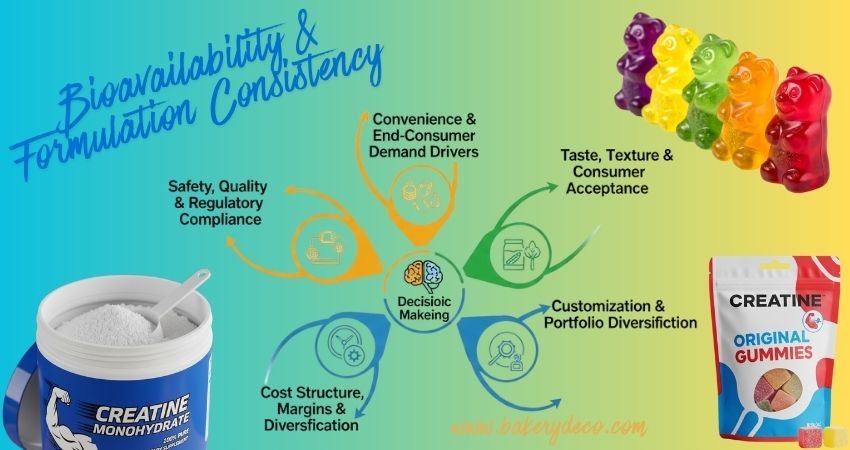
Bioavailability & Formulation Consistency
Scientific Equivalence
Both the creatine powder and creatine gummies provide similar bioavailability, but only when they are dosed in the correct quantity. The body easily absorbs the creatine monohydrate, whether it’s in the form of gummy or powder.
Formulation & Stability
- Creatine Powder: There is no chance of ingredient degradation in the case of creatine powder because the powder completely dissolves in water or juices.
- Creatine Gummies: On the other hand, you need to be careful while formulating creatine gummies and look for the correct potency in each. Always prefer controlled manufacturing of creatine gummines. There are factors like temperature, pH, and moisture that can affect stability.
Batch-to-Batch Reliability
Distributors need to maintain consistent potency for repeat orders in case of gummies. Meanwhile, creatine powder is easy to standardise. But creatine gummies need stringent quality checks for constant dosing across batches.
Dosage Accuracy & Label Compliance
Fixed-Dose Gummies
Creatine gummies avoid the risk of overdosing or underdosing because they come with pre measured quantity. That’s why most consumers prefer to buy creatine gummies, and it’s suitable for international compliance.
Gummies: Regulatory Advantages
- Fixed-dose reduces labelling errors
- Requires precise COA verification
- Stricter compliance for exports
- Extra scrutiny for ingredient disclosure
Adjustable Powder Scoops
On the other hand, creatine powder has no fixed dosing. Every brand entertain their consumers for different training goals and user levels. In this case, the risk of over or under dosing incrase because it depends on the consumer to measure the correct quantity.
Powder: Regulatory Advantages
- Precise serving size and dosage labelling
- Easier compliance with the FDA and EFSA
- Straightforward COA documentation
- Export-friendly for the USA, UK, and EU
Convenience & End-Consumer Demand Drivers
Powder
The customer needs to mix creatine powder with water, juices or shakes, which might be headache for some people. Some people hate making these shakes to mix powder in them to take before workouts.
Gummies
Meanwhile, creatine gummies don’t have this problem of inconvenience. Any traveller or consumer can easily eat these types of gummies anytime. That’s why gummies are the reason to increase brand trust and loyality with an increasing number of sales.
From a distribution perspective, gummies may generate higher reorder frequency, particularly for direct-to-consumer (DTC) brands.
Taste, Texture & Consumer Acceptance
Powder
The downside of creatine powder is they might taste chalky or neutral without any added flavours. That’s why some people don’t like using powder for their muscle growth. However, private label brands use this drawback to add flavours to the creatine powder and sell them in different markets.
Gummies
The best thing about the gummies is their taste because they are just like some candies and contains consistent texture. This is why now more people are loving creatine gummies because of their convenient taste and texture.
Cost Structure, Margins & Logistics
Powder
In the case of creatine powder cost, they are quite affordable because they don’t require higher raw materials per grain and support bulk storage. Also, the shipping cost of powder is less than that of gummies because of their lightweight, and that’s why wholesale businesses prefer creatine powder.
Gummies
On the other hand, gummies might cost more than powder because of their special packaging, gel matrices and moulding. With more logistics expenses, they get more costly than powder but support higher retail pricing, especially in e-commerce.
Customisation & Portfolio Diversification
Powder
- Easy to create multiple SKUs with different dosages or flavours
- Powder has low production complexity and a flexible formulation.
- Quick scalability for expanding product lines
Gummies
- Customizable in flavour, shape, dosage, and packaging
- Private label businesses and branded products prefer gummies over powder.
- Effective for targeting diverse consumer segments
Safety, Quality & Regulatory Compliance
Powder
- Creatine powder needs hygienic mixing and follows strict batch control.
- Must comply with GMP standards
- COA documentation supports international compliance
Gummies
- Requires strict moisture and stability control
- Mention factual details on the packaging for creatine gummies.
- Third-party testing reduces export and regulatory risks.
Market Fit & Buyer Use Cases
- Creatine gummies are more in demand because of taste and user convenience for E-commerce and DTC brands.
- For gym chains and sports nutrition retailers, the creatine powder remains popular and cost-effective.
- For wholesale retailers and pharmacies, both types of creatine are usable. You can choose gummies for premium packaging and powder for easy storage and cost-effectiveness.
- The United States, the United Kingdom and European countries have recently shown interest in gummies over powder. But the powder remains top-selling for sports nutrition markets.
Creatine Gummies vs Powder
Key Elements | Powder | Gummies |
Dosage Control | Adjustable per scoop | Fixed per piece |
Manufacturing Cost | Low | High |
Shelf Life | 2–3 years | 12–18 months |
Shipping Efficiency | High (lightweight, bulk-friendly) | Moderate (heavier, needs careful packaging) |
Best Buyer Type | Wholesale, gym chains, DTC brands | Retail, lifestyle brands, private-label |
Margin Potential | High | Premium / Moderate |
Feature | Powder | Gummies |
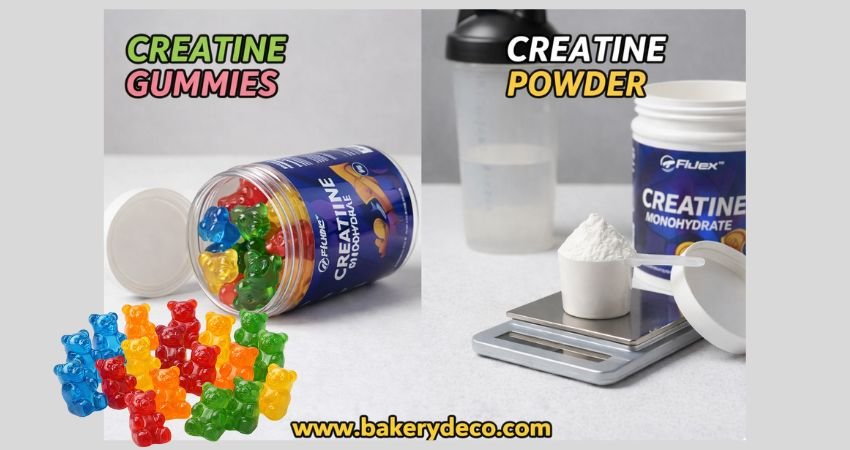
Creatine Gummies: Advantages & Disadvantages
Customers who value taste, portability and ease of use prefer creatine gummies over powder. If you look at the B2B perspective, creatine gummies drive more retail sales and have repeat orders. Here are a few benefits and side effects of creatine gummies:
Advantages:
- Gummies are ready to eat and do not need of mixing with liquids.
- They have more flavours and are palatable, which makes them easy to use.
- Gummies have higher retail margins than powder creatine.
- You can eat them anytime and anywhere, no need for special liquids or bottles.
Disadvantages:
- Drawback of gummies they have hgher production cost.
- Each gummies have low creatine content, so you may have to eat more.
- They have short shelf live than powder and require special care while storing them.
- Gummies are heavier in shipping, so logistics cost more.
Creatine Powder: Advantages & Disadvantages
Likewise, creatinine powder is the industry standard supplement, which is both flexible and cost-effective. For wholesale and private label businesses, creatine powder is the best choice. Here are a few benefits and side effects of choosing creatine powder:
Advantages:
- Lowest price per grain and provides the best cost efficiency.
- You can adjust the dosage of creatine powder based on different needs.
- They have better shelf life and are perfect for bulk distribution.
- Perfect small packaging, and you can easily scale them.
Disadvantages:
- Not so convenient for people on thego.
- Usualy taste chalky or gritty without adding any flavours or shakes.
- Lower retail appeal compared to gummies in premium segments
- You have to mix powder with a specific type of liquids might affect adherence.
Which Format Wins for Your Business?
Choosing the correct type of creatine, whether gummies or powder, depends on your business requirement. Also, there are different key factors depends on picking the right creatine, such as:
- Brand Positioning
- Profit Margins
- Target Audience
- Logistics
Creatine powder delivers bulk distributions and are cost effective. However, creatine gummies provide higher retail conversions and premium appeal.
Conclusion
In the end, it all depends on your business needs and goals to choose the right type of creatine. If you are running a wholesale business and need cost-effectiveness, then choose creatine powder. Meanwhile, private label or branded products can choose creatine gummies for their unique flavours and higher margins.